Armstrong International Music & Arts Enterprises Ltd., is a diversified leading arts management enterprise consists of three branches: Armstrong Music and Arts, Armstrong Media, and Armstrong Travel. We are aiming to build a cultural bridge between China and the Western World.
Get In Touch
No.3-038, North Pingod Arts Community, 32 Baiziwan Road, Chaoyang, Beijing(East side of Today Art Museum)
010-58263639
info@armstrongmusic.cc
A Farewell in Strings: Joshua Bell and the Academy of St Martin in the Fields Conclude Their 2026 Tour on a High Note
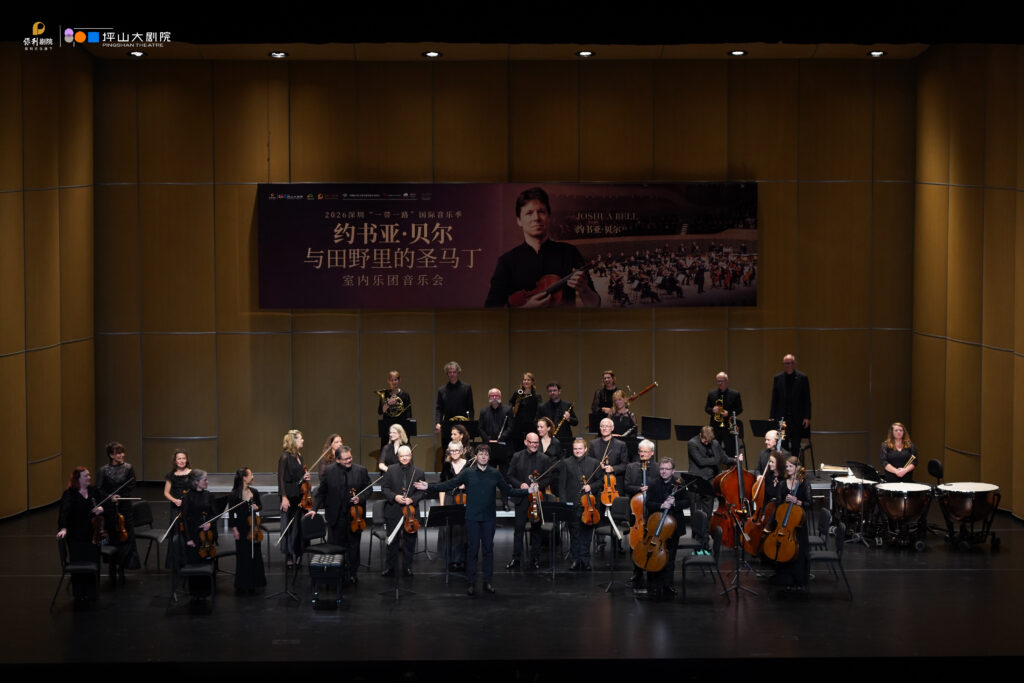
From 15 to 20 October 2026, Joshua Bell and the Academy of St Martin in the Fields visited Chengdu City Concert Hall, the National Centre for the Performing Arts, Shanghai Concert Hall and Shenzhen Pingshan Theatre, completing a four-city tour of China. The concerts opened with Beethoven’s Egmont Overture, followed by Dvořák’s Violin Concerto in A minor. After the interval, Mozart’s Symphony No. 41 in C major, “Jupiter” brought the programme to its climax, before the familiar and warm melody of Danny Boy provided a fitting close to the musical journey.
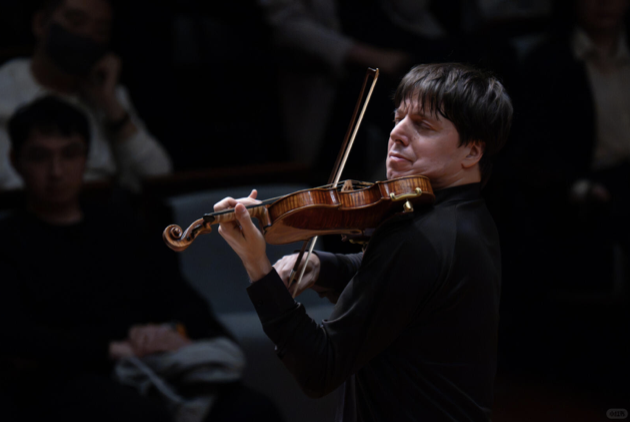
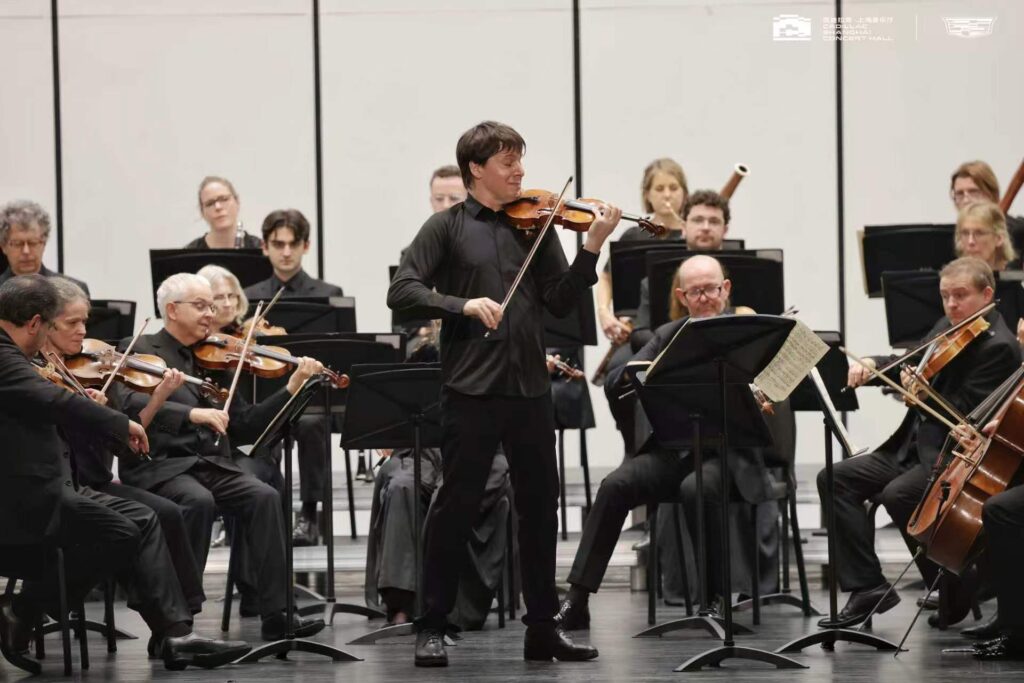
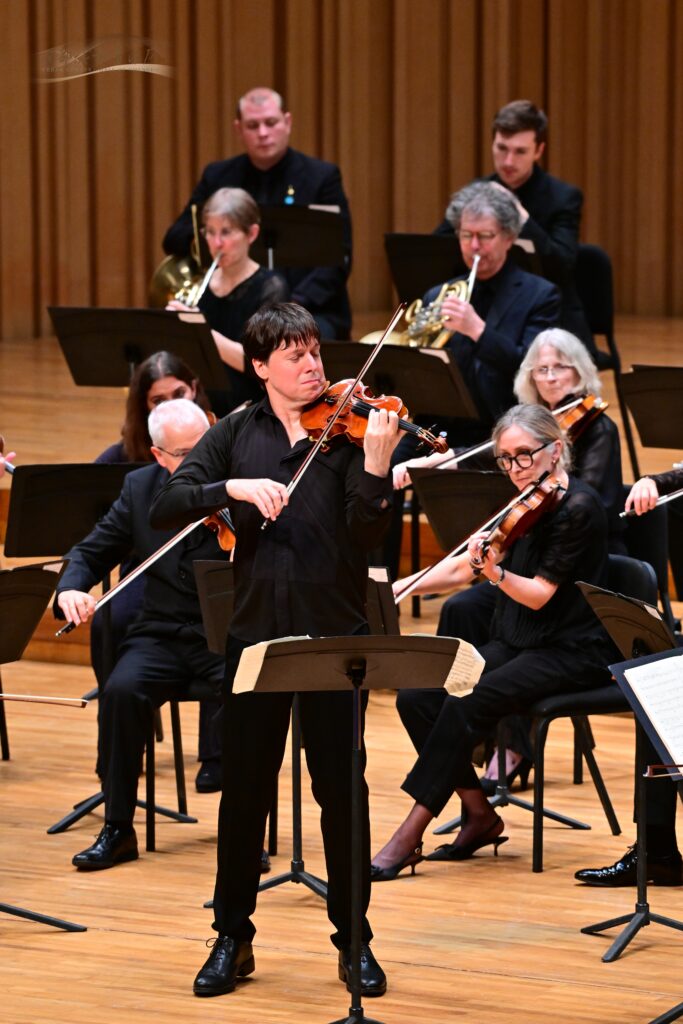
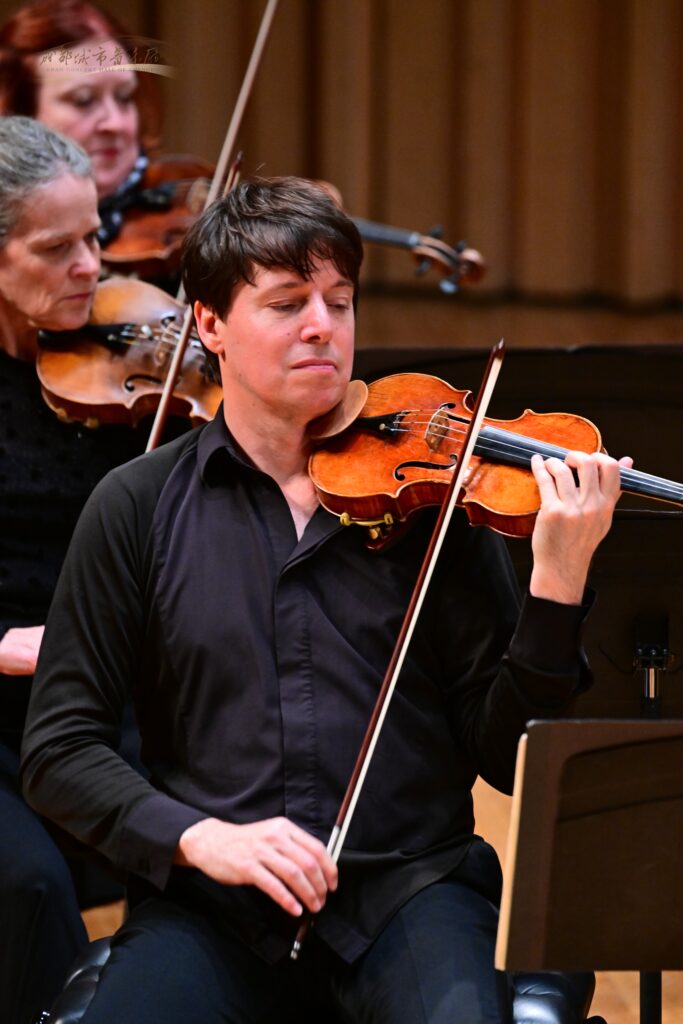
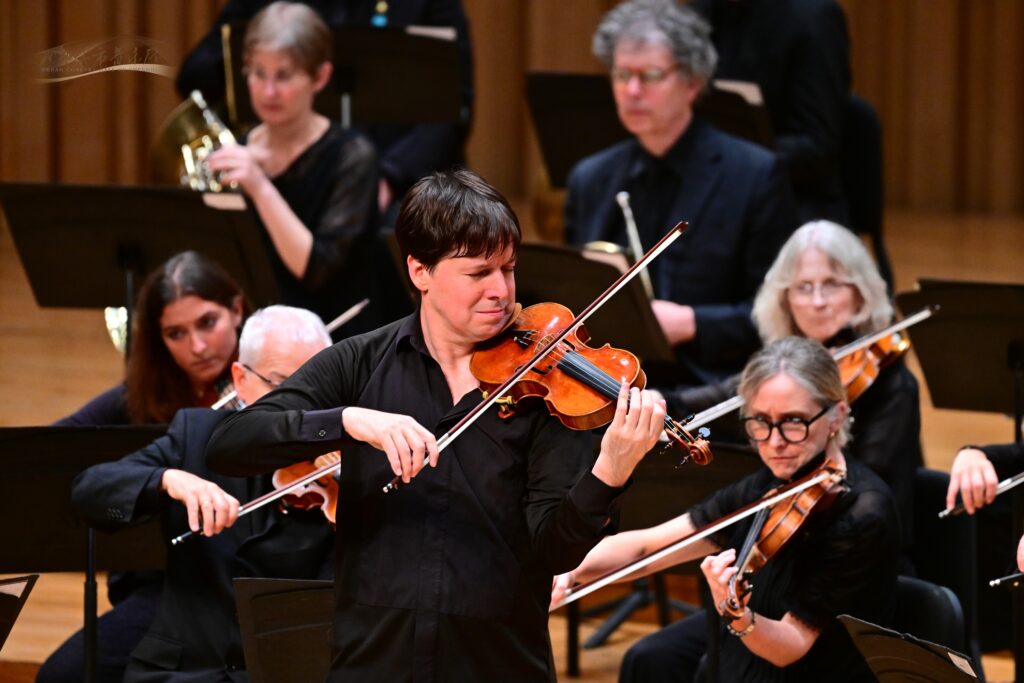
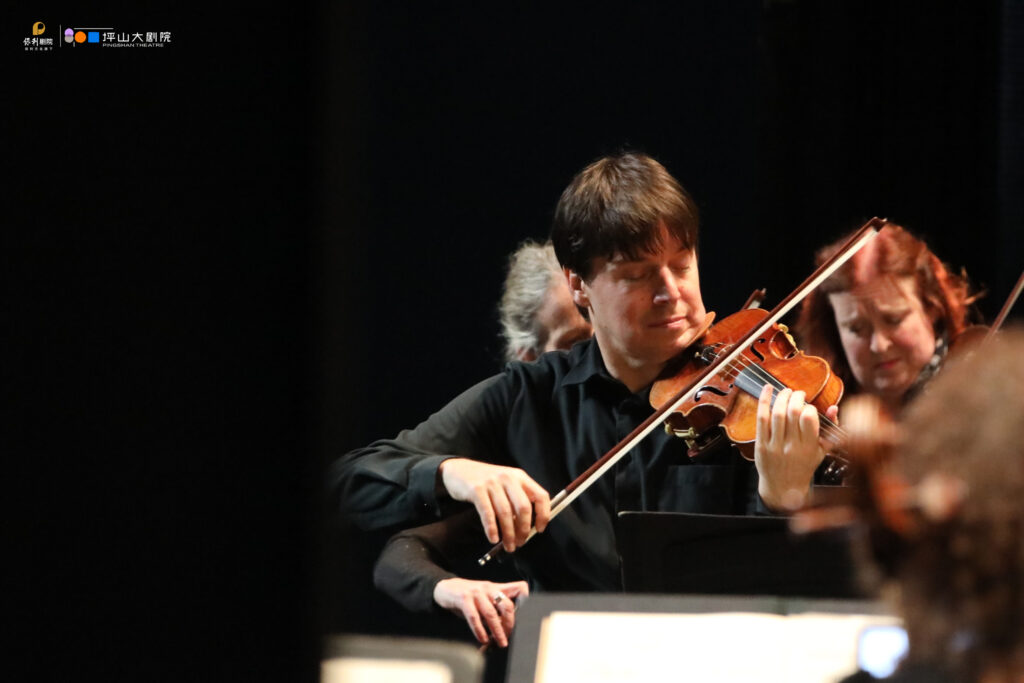
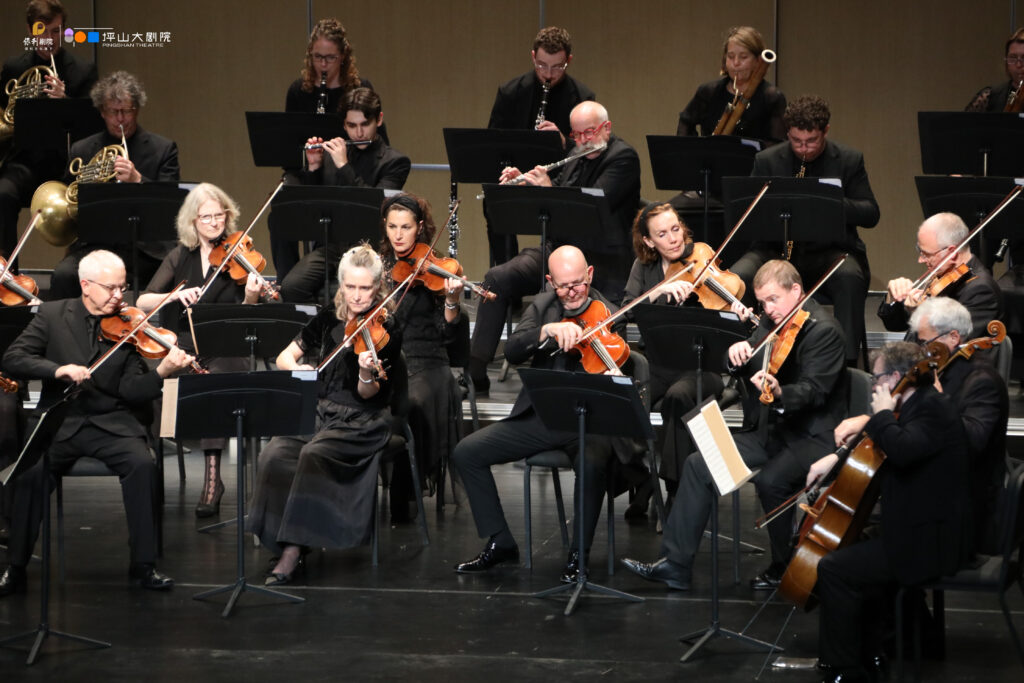
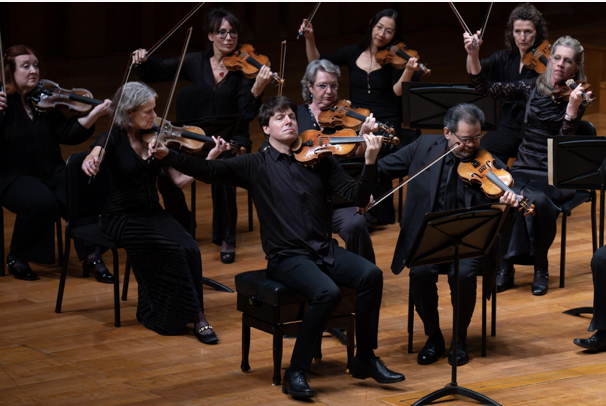
Throughout the performances, Bell took on the dual role of soloist and ensemble leader. Without a conductor on the podium, he communicated tempo, phrasing and direction through his bow, physical gestures and eye contact. The musicians’ constant listening and responsiveness to one another became an integral part of the performance itself. Audience reactions reflected both admiration for the ensemble’s sound and cohesion and a range of responses to the structure of the works and details of the performances. These first-hand impressions from the concert hall added further dimensions to the resonance of the tour.
A Farewell in Strings: Joshua Bell and the Academy of St Martin in the Fields Conclude Their Tour on a High Note
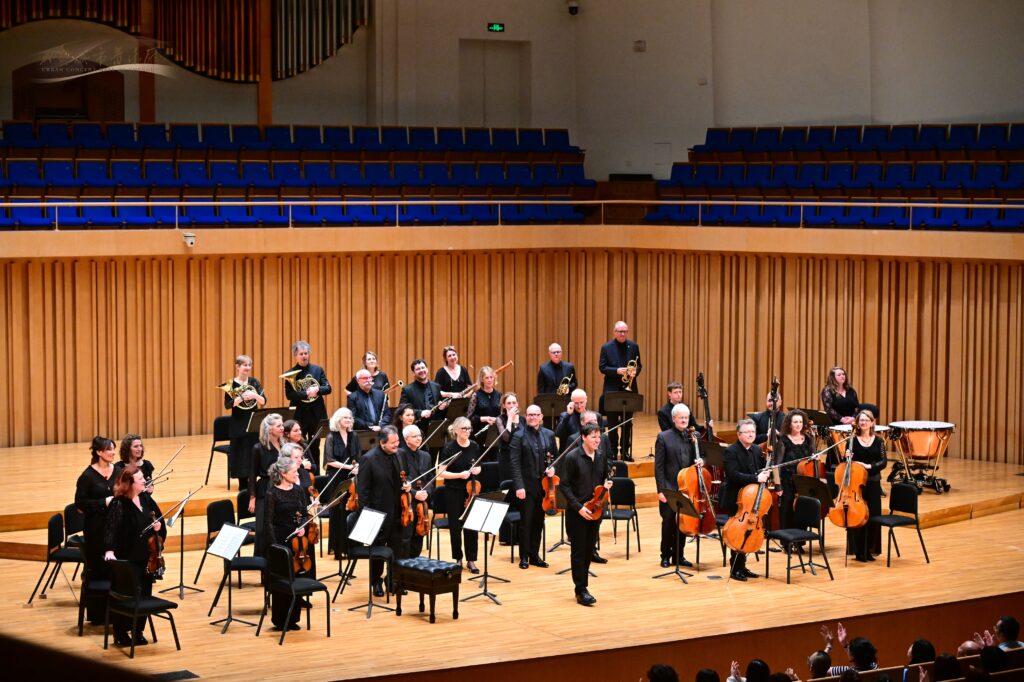
From 15 to 20 October 2026, Joshua Bell and the Academy of St Martin in the Fields visited Chengdu City Concert Hall, the National Centre for the Performing Arts, Shanghai Concert Hall and Shenzhen Pingshan Theatre, completing a four-city tour of China.
The concerts opened with Beethoven’s Egmont Overture, followed by Dvořák’s Violin Concerto in A minor. After the interval, Mozart’s Symphony No. 41 in C major, “Jupiter” brought the programme to its climax, before the familiar and warm melody of Danny Boy provided a fitting close to the musical journey.
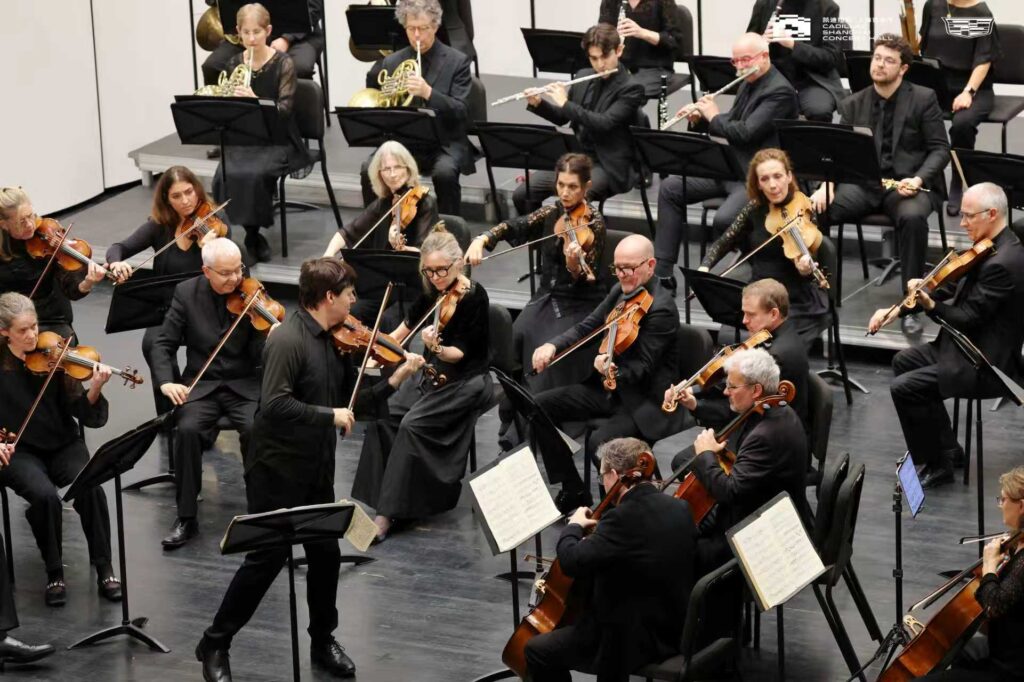
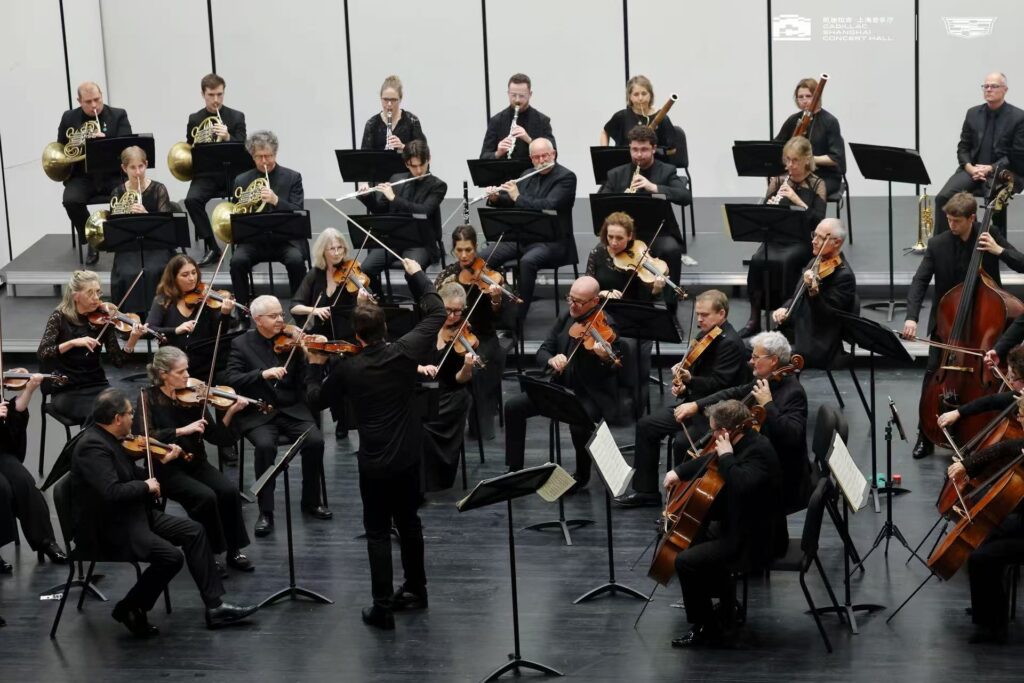
Throughout the performances, Bell took on the dual role of soloist and ensemble leader. Without a conductor on the podium, he communicated tempo, phrasing and direction through his bow, physical gestures and eye contact. The musicians’ constant listening and responsiveness to one another became an integral part of the performance itself.
Audience reactions reflected both admiration for the ensemble’s sound and cohesion and a range of responses to the structure of the works and details of the performances. These first-hand impressions from the concert hall added further dimensions to the resonance of the tour.
From Egmont: Dramatic Tension and the Ideal of Freedom
Beethoven composed the Egmont Overture for Goethe’s tragedy of the same name, reflecting the drama’s themes of resistance to oppression and the pursuit of freedom. Beginning in a sombre atmosphere, the overture gradually gathers momentum, its mounting conflict and forward drive suggesting the unfolding fate of the characters on stage. Beethoven combines dramatic intensity with a clear sense of purpose, setting a resolute and compelling tone for the concert.
In the hands of a chamber orchestra, the music’s power comes from more than sheer volume. The layering of the strings, the precision of the rhythmic interplay and the rise and fall of individual phrases work together to define the music’s contours. Bell guided the ensemble through physical gestures, while the musicians followed the direction of the music through constant eye contact and attentive listening. The result retained both a strong sense of momentum and the subtle breathing and flexibility of chamber music. The forward drive felt by the audience was built gradually through these exchanges between different sections of the ensemble.
Dvořák: Between Lyricism and Rhythmic Vitality
Dvořák’s Violin Concerto in A minor was written as the composer’s distinctive Slavonic style was reaching maturity. The work combines the violin’s lyrical qualities with melodies rich in national character, balancing expansive, song-like lines with vibrant rhythmic energy. Its appeal lies not in virtuosity alone: the way the solo violin and orchestra share musical ideas and support one another is essential to allowing its beautiful melodies to develop into a coherent musical whole.
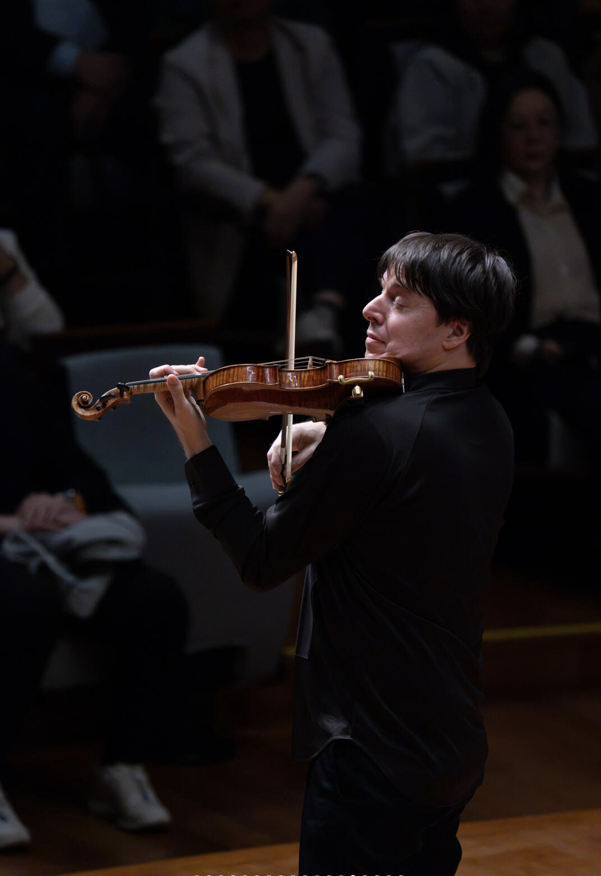
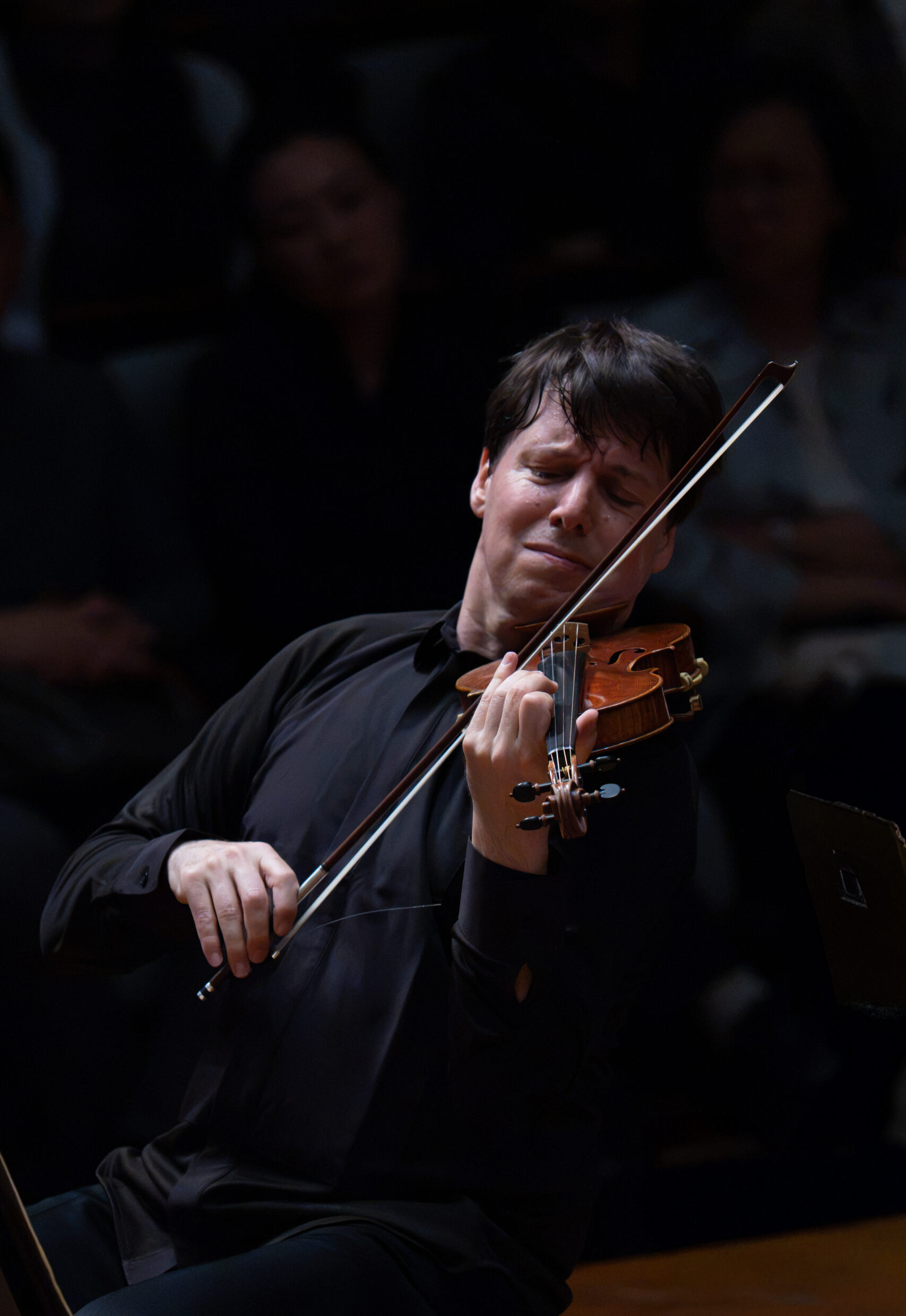
Bell maintained a vivid presence in the solo part, while the ensemble supported the melodic lines with a warm and rounded string sound. In the lyrical passages, the phrasing was expansive and intimate; in more rhythmically animated sections, the music took on a light, buoyant quality. Bell’s dual role as soloist and leader allowed him both to shape the melodic line directly and to cue the musicians with movements of his bow. The boundary between soloist and ensemble consequently became more fluid, allowing the audience to see how musical ideas were exchanged, answered and carried forward in real time on stage.
“Jupiter”: Where Intricate Structure Becomes Radiant Power
Mozart’s Symphony No. 41 was the last symphony he completed. The nickname “Jupiter” is often associated with the work’s radiant and majestic character, yet much of its fascination also lies in the precision of its structure. This is especially evident in the finale, where concise thematic motifs continually enter, evolve and intertwine with other melodic ideas. The music seems to surge relentlessly forward, while beneath the surface, an intricate organisation of individual voices holds everything together.
This places particular demands on the musicians’ ability to work as an ensemble. Each section must retain its independence while keeping the relationships between the themes clearly audible; the music needs brightness and momentum without allowing its finer details to be overwhelmed by its grandeur. On stage, Bell connected the musicians through gestures of his bow and body, as the ensemble’s rhythmic energy and dynamics gradually converged, carrying the symphony from its expansive opening character towards the increasingly interwoven textures of the finale. What the audience experienced was not only the grandeur of a great symphony, but also the ingenuity and vitality with which its themes pursue, encounter and ultimately come together.
A Lingering Farewell with Danny Boy
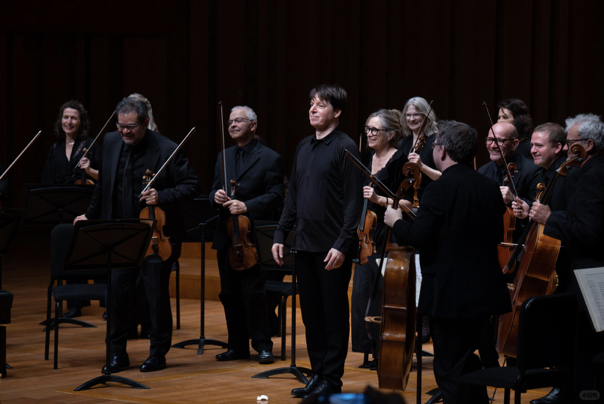
After the symphony, the encore Danny Boy brought a more intimate voice to the evening. Its familiar melody shifted the atmosphere from the expansive scale of the symphony to the warmth of a song, with Bell and the ensemble shaping its long, flowing lines into a gentle conclusion while responding to the audience’s enthusiastic reception. Even after the applause, different moments of the concert lingered in the memory: for some, it was the surging energy of the symphony; for others, the singing quality of the violin; and for others still, the tender afterglow of the encore.
From the dramatic tension of Beethoven to Dvořák’s lyricism and national character, and finally to the radiant yet intricately constructed world of Mozart, the programme revealed contrasting facets of classical music while highlighting the multiple roles shared by Bell and the Academy of St Martin in the Fields across solo performance, ensemble collaboration and musical leadership. The tour concluded to an enthusiastic response from audiences.
We extend our sincere thanks to everyone who joined us in the concert halls across each city, as well as to all the musicians and members of the team whose dedication made the tour possible. We look forward to meeting again and sharing the experience of live music together.